

I started visiting the shortgrass prairie in the spring of 2019 when I began having problems at work. My company had adopted an aggressive management system that left me depleted. A job that had long been challenging became unbearable. My schedule overflowed with meetings and endless deadlines. Work not completed within business hours had to be done on personal time—evenings, weekends, and holidays.
“The thing about an epiphany is it makes you care.” ~ Eugenia Bone1
The exhaustion mounted for many months until something inside me finally gave way. One morning, I declined my meetings, shut off my computer, and got in my car. I drove north until paved roads narrowed and gave way to dirt tracks. Four miles shy of the Wyoming border, I arrived at Soapstone Prairie Natural Area.
Soapstone Prairie Natural Area was established in 2004 when the City of Fort Collins purchased a 28-square-mile parcel of land in the northeastern corner of Larimer County, Colorado.2 With the establishment of Soapstone Prairie, conservationists hoped to protect a pristine remnant of the shortgrass prairie ecosystem that had once covered the entire eastern half of Colorado.
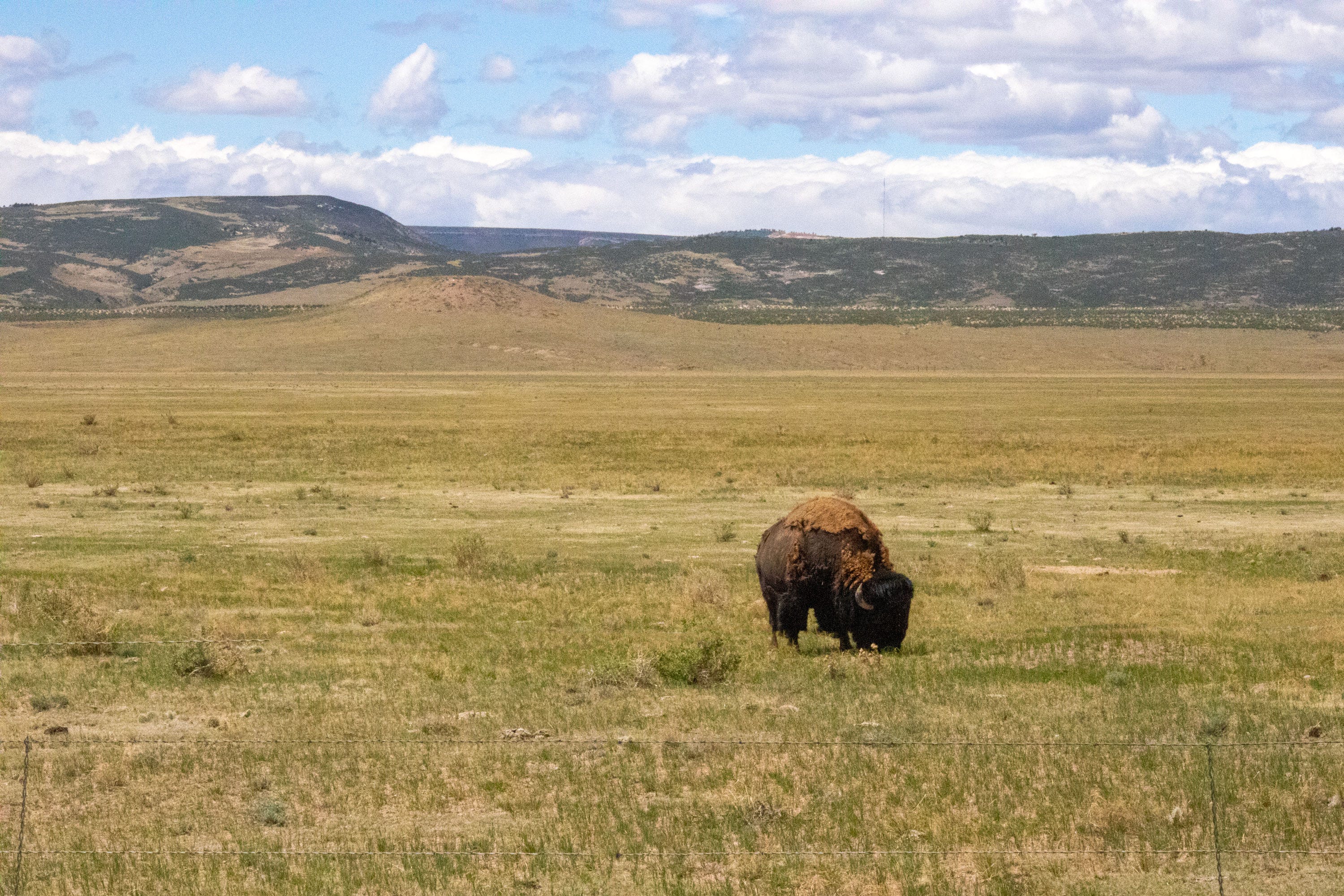
On my first visit to Soapstone, I hiked along a narrow trail, stopping frequently to admire the views. In the distance, I could see the mountains of the Mummy Range, their snow-covered peaks still hibernating. At my feet, a tiny greater short-horned lizard scampered across the trail and disappeared behind a pile of rocks. A gentle wind picked up, bending the blue grama and buffalograss in waves across the rolling terrain. There were no sounds of traffic or human activities. Instead, gentler sounds emerged—the rustle of rabbitbrush, the twinkle of birdsong, the purr of bees.
Since its inception, Soapstone Prairie has matured into a place of refuge for numerous imperiled species. After my first visit, I returned to the prairie frequently, each time thinking less about my troubles and more about the prairie and its inhabitants. Between visits, I researched the area’s wildlife and ecology. I collected lists of plants and tips for spotting rare birds. I became enthralled.
I learned of a bison herd released into the park in 2015, that consisted of individuals chosen for their wild lineage and resistance to disease. I read about the endangered black-footed ferrets that biologists recently reintroduced—nocturnal hunters once thought extinct, now slumbering in prairie dog burrows beneath my feet. I discovered that many vulnerable grassland birds, such as loggerhead shrikes, thick-billed longspurs, and burrowing owls, thrive in Soapstone as they decline elsewhere.
While unprotected shortgrass prairie habitats succumb to the destructive forces of agriculture and urbanization3, Soapstone offers fragile creatures much needed refuge. For me too, Soapstone is a place of sustenance.
Although it took me several years to leave that troublesome job, I consider my first visit to Soapstone Prairie a turning point. From then on, I knew that for me, there is only one real world that exists, and it is not governed by any corporation. The real world is outside in a landscape where natural balance prevails, biodiversity thrives, and hope rebounds.
Bone, E. (2012). Introduction to the Bison Books Edition. In At Mesa’s Edge: Cooking and Ranching in Colorado’s North Fork Valley (p. vii). University of Nebraska Press.
Soapstone Prairie Natural Area - City of Fort Collins. (n.d.). Retrieved April 11, 2026, from https://www.fortcollins.gov/Parks-and-Natural-Areas-Directory/Natural-Areas/Soapstone-Prairie-Natural-Area
Ecology - Fort Collins Ecosystems - Shortgrass Prairie Grasslands - City of Fort Collins. (n.d.). Retrieved April 11, 2026 from https://www.fcgov.com/naturalareas/shortgrass-prairie-ecosystem